Starting a small business is exciting, but getting customers can be challenging. Today, most people search online before buying a product or contacting a business. This makes digital marketing for small businesses one of the most effective ways to reach potential customers, build trust, and increase sales.
The good news is that you don’t need a huge marketing budget to get started. With the right strategy, even a small business can build an online presence and attract customers consistently.
1. Define Your Target Audience
Before starting digital marketing, understand who your ideal customer is. Think about their age, location, interests, problems, and buying habits.
For example, a local bakery may target people searching for “best birthday cake shop near me,” while a digital marketing agency may target small businesses looking for affordable SEO services.
Knowing your audience helps you create content and advertisements that are relevant to the people most likely to become customers.
2. Create a Professional Website
Your website is often the foundation of your digital marketing strategy. It gives potential customers a place to learn about your business, explore your services, and contact you.

Make sure your website is:
- Mobile-friendly
- Fast and easy to navigate
- Clear about your products or services
- Optimized for search engines
- Easy for customers to contact you
You should also include important information such as your business name, services, location, contact details, customer reviews, and frequently asked questions.
3. Set Up Google Business Profile
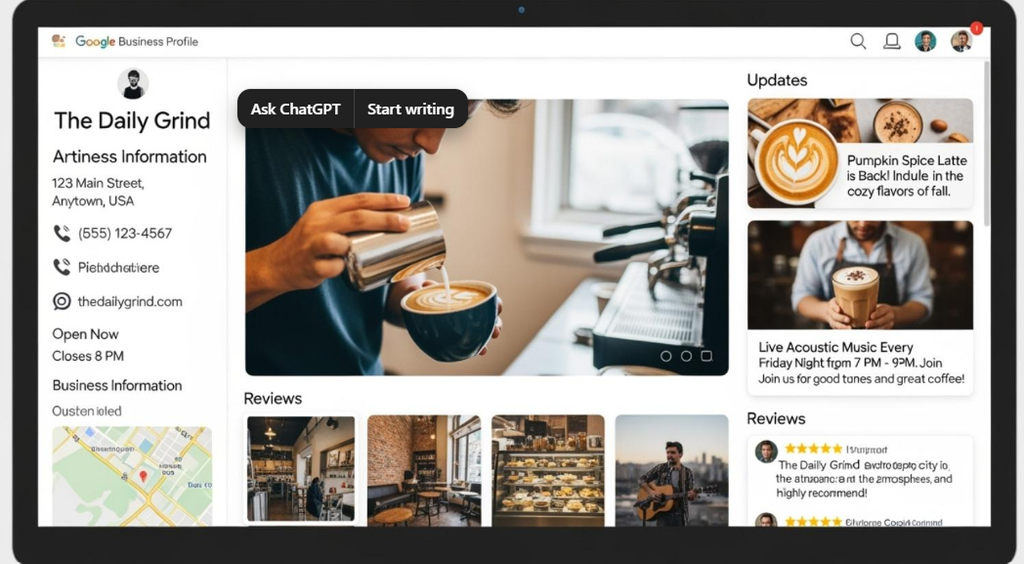
If you operate a local business, creating a Google Business Profile should be one of your first steps.
It can help your business appear in Google Search and Google Maps when people search for products or services in your area.
Keep your profile updated with your business hours, phone number, website, photos, services, and accurate location information. Encourage satisfied customers to leave genuine reviews because reviews can help build trust with potential customers.
4. Start SEO for Your Business
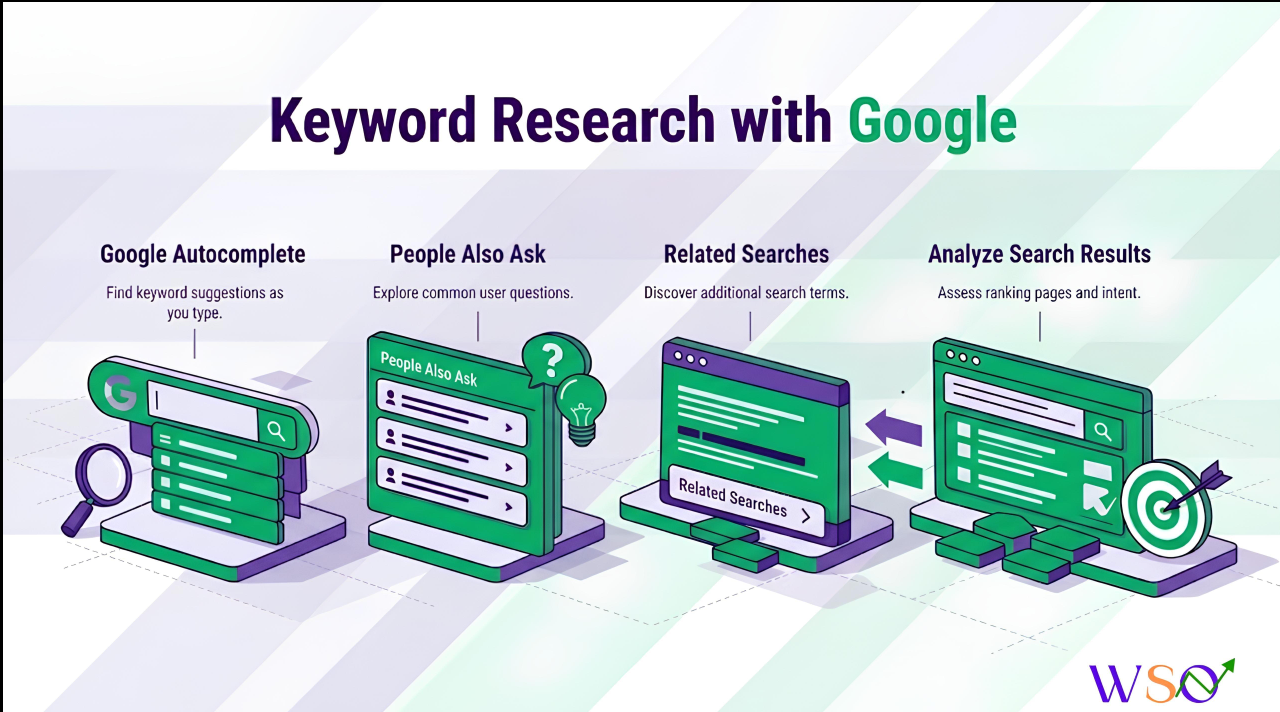
Search engine optimization (SEO) helps your website appear when people search for information, products, or services related to your business.
Start with simple SEO practices. Find keywords your potential customers are searching for and use them naturally in your page titles, headings, URLs, and content.
For example, instead of targeting only “digital marketing,” a small agency could target a more specific keyword such as “digital marketing services for small businesses in India.”
Long-tail keywords are often more specific and can be easier for a new website to target.
5. Use Social Media
You don’t need to be active on every social media platform. Choose the platforms where your target customers spend the most time.
Share useful content such as:
- Tips and tutorials
- Product demonstrations
- Customer testimonials
- Behind-the-scenes content
- Educational posts
- Short videos
The goal should not be to sell something in every post. Focus on providing value and building a relationship with your audience.
6. Consider Paid Advertising
Once you have established your basic online presence, you can experiment with Google Ads or social media advertising.
Start with a small budget and test different audiences, advertisements, and offers. Track the results before increasing your spending.
Paid advertising can generate faster results, but it works best when you have a clear target audience and a well-designed landing page.
7. Measure Your Results
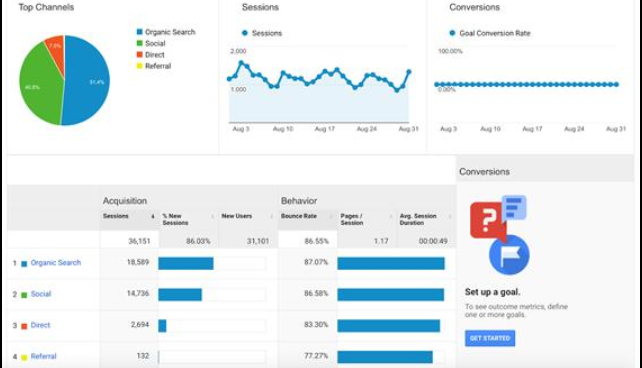
Digital marketing becomes much more effective when you track what is working.
Monitor metrics such as website traffic, leads, phone calls, social media engagement, and sales. Tools such as Google Analytics and Google Search Console can help you understand how people discover and interact with your website.
Final Thoughts
Starting digital marketing for a small business doesn’t require a massive budget or a complicated strategy. Start by understanding your audience, creating a professional website, setting up your Google Business Profile, working on SEO, and building a consistent social media presence.
Focus on a few channels, measure your results, and improve your strategy over time. Consistency is more important than trying to do everything at once.
If you are just getting started, choose one goal—such as getting your first 10 leads from Google—and build your digital marketing strategy around it.